What Makes Char Dham Yatra a Life-Changing Experience?
The Char Dham Yatra is more than a travel itinerary; it is a structured spiritual voyage that many Indian pilgrims call life-changing. In 2026, whether you approach it as devotion, introspection, or a cultural journey, the circuit connecting Yamunotri, Gangotri, Kedarnath and Badrinath offers experiences that reshape priorities, heal old hurts, and open new perspectives. This guide blends practical planning with the inner reasons why pilgrims consistently report deep change after completing the Char Dham.
Intro: A Journey That Changes You
People often return from the Char Dham Yatra saying they are different — calmer, clearer, and quietly transformed. These are not mere travel anecdotes. The combination of ritual, physical challenge, communal life and mountain solitude creates conditions where deep personal shifts frequently occur. Below we unpack the reasons why the Char Dham Yatra can be life-changing, and how to prepare practically and spiritually for Char Dham Yatra 2026.

1. Ritual Repetition that Rewires Attention
Daily rituals — morning puja, aarti, mantra chanting and simple offerings — act like mental exercises. The repeated focus pulls attention away from anxious rumination and trains the mind to settle. Many pilgrims describe this as a rewiring of attention: small practices create a new baseline of calm that lasts well beyond the journey.
2. Contact with Sacred Landscapes
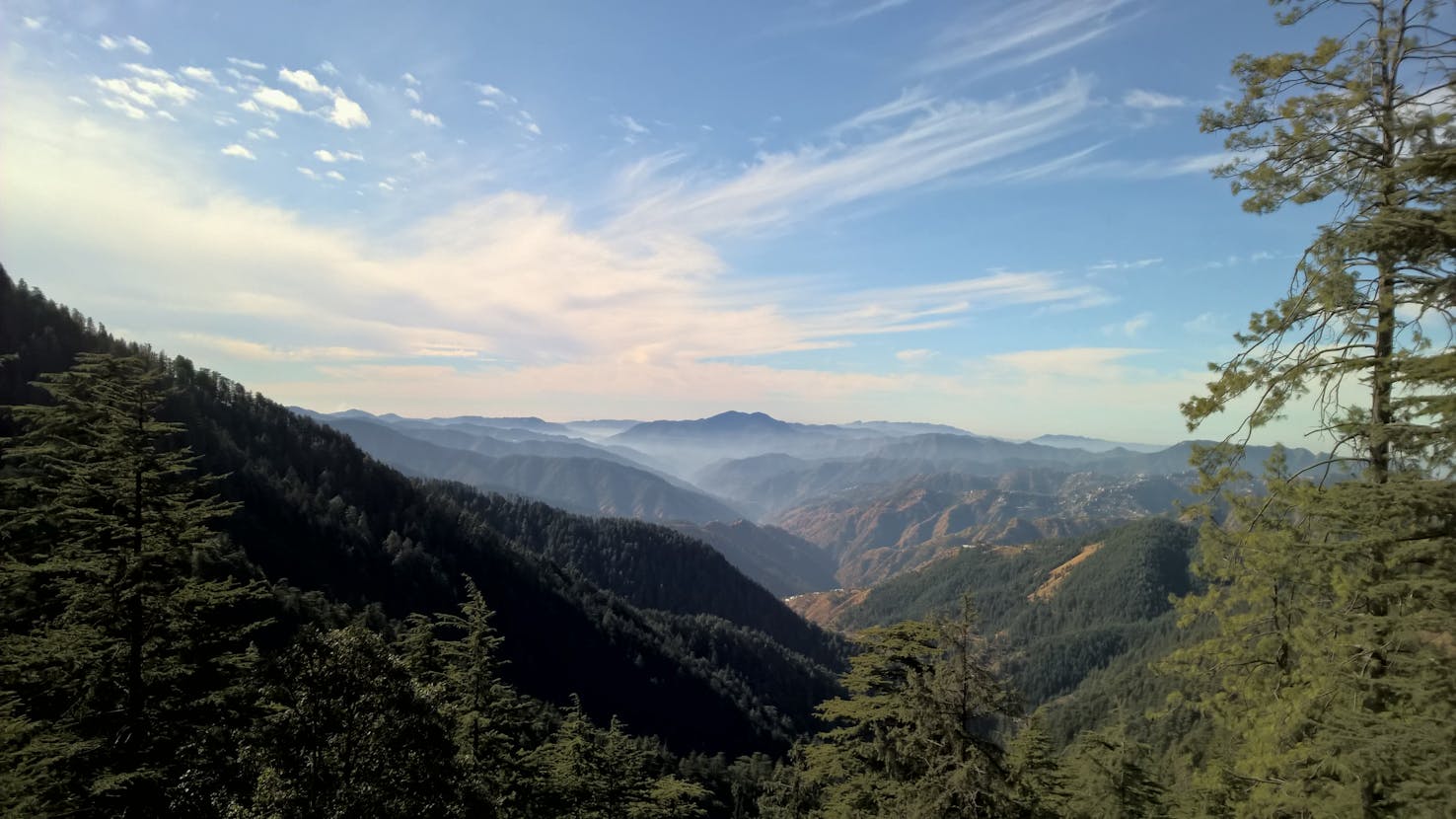
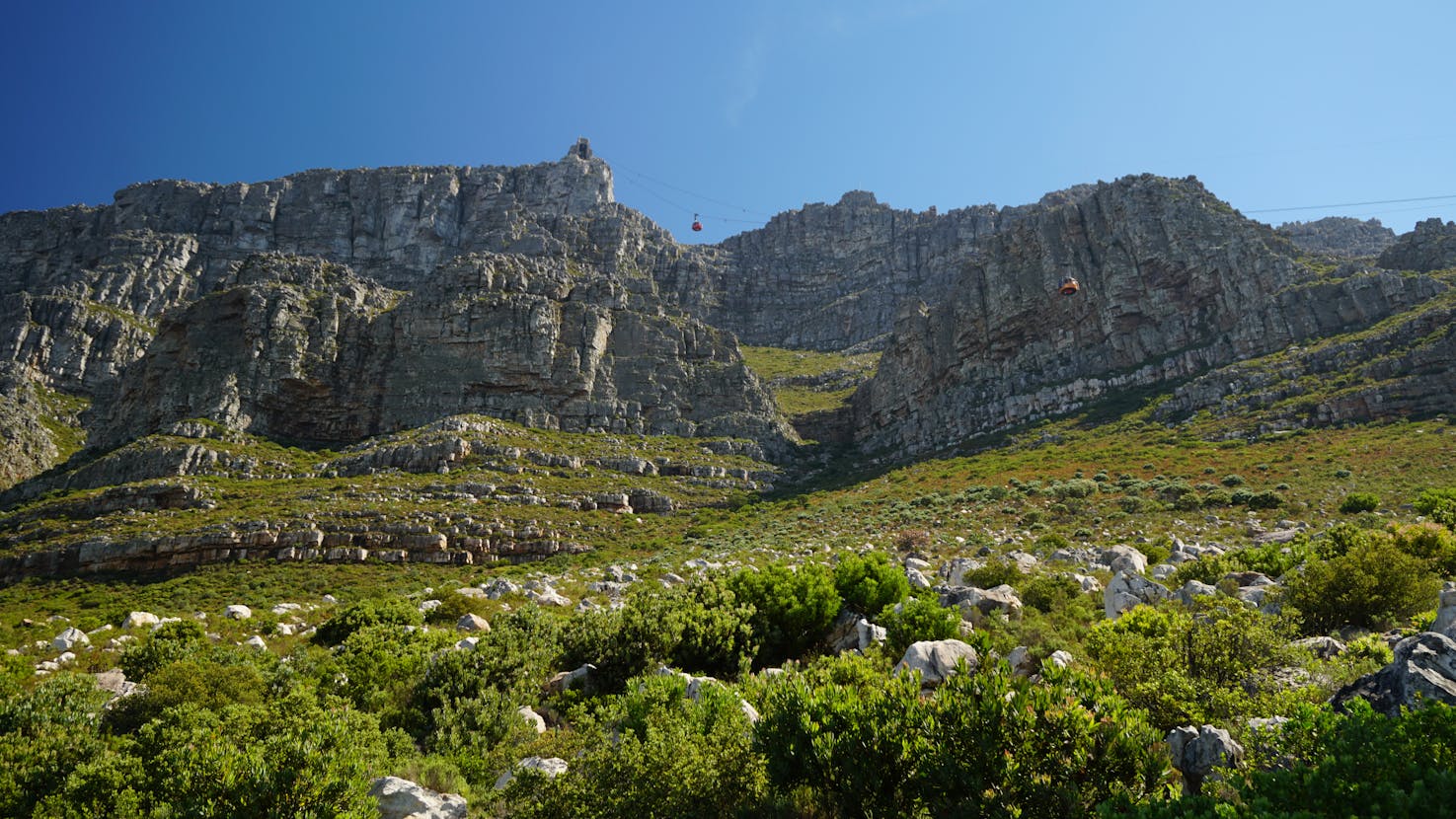
Mountains and rivers have a unique capacity to slow the mind. The Himalayan silence, the sound of glacial streams, and the raw scale of the peaks make ordinary concerns feel smaller. Encounters with these landscapes encourage perspective-taking: priorities shift, and simple values like presence and gratitude gain weight.

3. Physical Challenge and Embodied Practice
Many legs of the Char Dham involve walking, trekking or exposure to high altitudes. Physical effort breaks habitual mental loops and encourages endurance, patience and a sense of accomplishment. Completing a difficult trek like Kedarnath instils confidence that translates into life off the mountain.
4. Communal Ritual and Shared Meaning
Pilgrimage is social. Sharing food, sleeping close to other pilgrims, and joining in communal bhajans create social ties and reduce loneliness. These shared moments become anchors: you remember not only the solitude but the companionship, the stories exchanged by the road, and the collective prayers that amplified the personal ones.
5. Narrative Closure and Vows
Many pilgrims undertake the Char Dham as a vow (vrat) or to fulfil a promise. Rituals performed with intention often provide closure — to grief, to long-held anxieties, or to unresolved relationships. The narrative arc of leaving, enduring, receiving darshan, and returning home creates psychological closure that many describe as healing.
Practical Ways to Deepen the Experience
- Set a clear intention. Before you travel, articulate why you are going. Keep it simple: gratitude, healing, or devotion.
- Travel slowly where possible. Allow time for quiet — extra mornings at a riverbank or a day without planned movement deepen reflection.
- Keep a pilgrimage journal. Note moments of insight; reading them later helps integrate the journey.
- Learn a short practice. A simple morning mantra, breath practice or prayer that you continue after the yatra helps retain gains.

What Each Dham Offers to the Seeker
Understanding the distinctive spiritual tone of each shrine helps you engage meaningfully:
- Yamunotri — vows, healing and starting anew.
- Gangotri — purification, surrender and cleansing rituals.
- Kedarnath — penance, forgiveness, and the austere presence of Shiva.
- Badrinath — settled devotion to Vishnu and a sense of dharmic order.
Best Time to Visit and Seasonal Tips
Char Dham Yatra 2026 is best undertaken between May and October. Late May to June gives clear mountain views; September often provides post-monsoon clarity. If you travel during monsoon, take an experienced operator due to landslip risks. For packages and logistics, consider checking curated options at tours & packages and official updates on Uttarakhand tourism.
Sample 10–12 Day Itinerary (Balanced Pace)
- Day 1: Arrive Haridwar — Ganga aarti at Har Ki Pauri.
- Day 2: Drive to Barkot/Uttarkashi — rest and local temples.
- Day 3: Yamunotri darshan — return to base.
- Day 4: Gangotri visit and riverside ritual.
- Day 5: Transfer toward Guptkashi/Phata — acclimatisation.
- Day 6: Kedarnath trek or chopper; darshan and evening bhajan.
- Day 7: Return from Kedarnath; travel to Joshimath region.
- Day 8: Badrinath darshan, Mana village walk.
- Day 9u201310: Return to Haridwar, final reflections and aarti.

Packing, Health & Safety (Practical Essentials)
- Warm layered clothing, waterproof jacket and sturdy trekking shoes.
- Basic first aid, altitude medication as advised by your doctor, and ORS.
- Valid ID (Aadhaar/passport), local currency, and a portable charger.
- Respect local rules: remove footwear in sanctums, follow priestly instructions and avoid loud behaviour in temple areas.
Cost & Logistics Snapshot
Costs vary by travel style: economy pilgrims may budget INR 12,000u201325,000, comfort travellers INR 25,000u201345,000, and helicopter-assisted trips start from INR 60,000+. For train bookings and special trains, check IRCTC and for shrine notices consult official shrine portals.
Frequently Asked Questions
Q: Can Char Dham be life-changing for sceptics?
A: Yes. The change is often psychological: reduced anxiety, clearer priorities, and practical insights. Whether through rituals or landscape, many sceptics report meaningful shifts.
Q: Is the yatra safe for solo pilgrims?
A: Solo pilgrims travel safely when well-prepared: join day groups, use reputable accommodation, and avoid remote travel at night.
Q: What if I can only do part of the circuit?
A: Partial pilgrimages are still valuable. Even one dham can catalyse change; however, the integrated experience of all four often amplifies transformation.
Q: How do I keep the change after returning home?
A: Maintain a short daily practice, revisit your pilgrimage journal, share your experience, and build small rituals into home life to sustain perspective.
Conclusion: How the Yatra Changes the Story You Tell About Yourself
What makes the Char Dham Yatra life-changing is not a single miracle but a set of conditions: ritual structure, physical challenge, sacred landscape and communal life. These elements converge to shift attention, heal narratives, and create new commitments. Approach Char Dham Yatra 2026 with respect, clear intention and practical readiness. When you return, you may find that small daily choices are subtly differentu2014and that is the quiet measure of transformation.
For packages, transport and temple updates, visit trusted resources such as Ishta Devta tours & packages, Uttarakhand Tourism, and IRCTC.