Why You Should Visit Char Dham at Least Once in Your Lifetime
Char Dham is more than a travel route. It is a sacred voyage that carries generations of devotion, rituals, and life changing moments. For Indian pilgrims planning Char Dham Yatra 2026, this guide explains why the circuit matters, how to prepare, and what to expect on each leg of the journey. Read on for spiritual insights, practical tips, a sample itinerary, and a comprehensive FAQ to make your pilgrimage safe and meaningful.
Introduction: A Journey Beyond Sightseeing
The Char Dham pilgrimage links four Himalayan shrines: Yamunotri, Gangotri, Kedarnath, and Badrinath. Completing the Char Dham Yatra 2026 often becomes a turning point in a pilgrim life. This journey combines devotion, endurance, community, and quiet reflection. It is a pilgrimage into story, nature, and inner space.

Why the Char Dham Matters
There are practical and spiritual reasons to visit the Char Dham at least once:
- Spiritual renewal: Rituals and sacred waters provide a sense of purification and fresh intent.
- Cultural continuity: The yatra connects pilgrims to centuries of tradition and community memory.
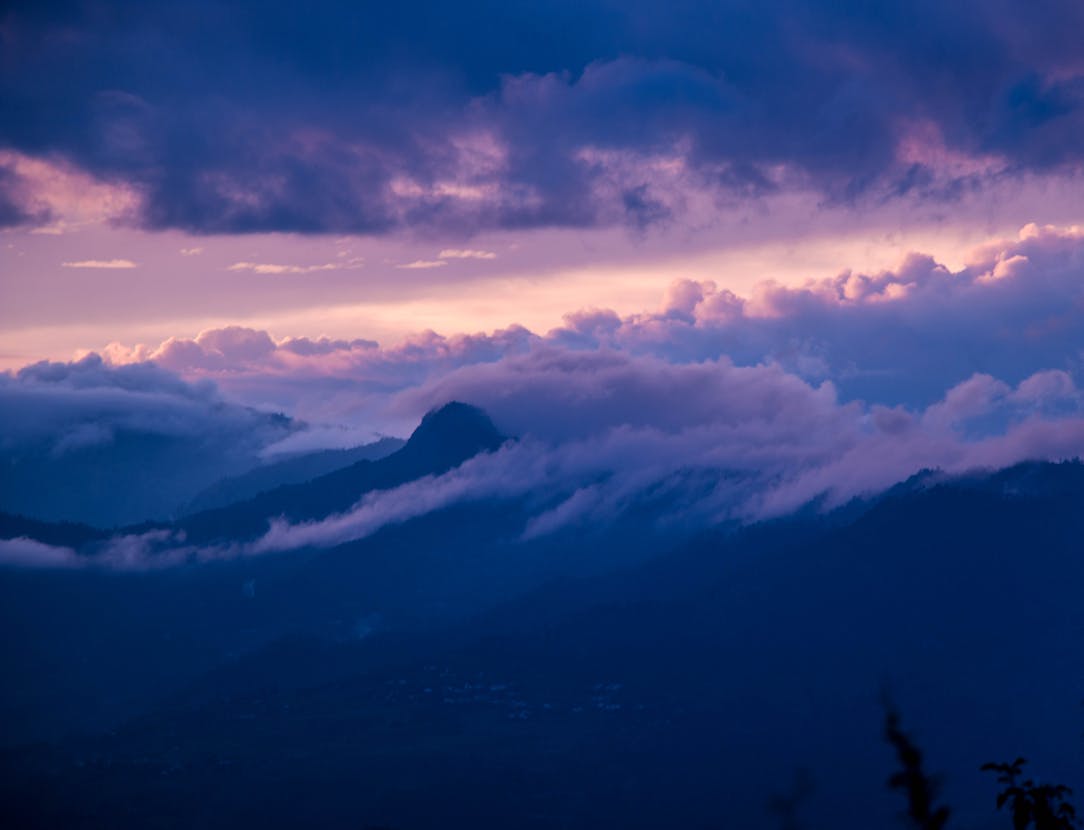
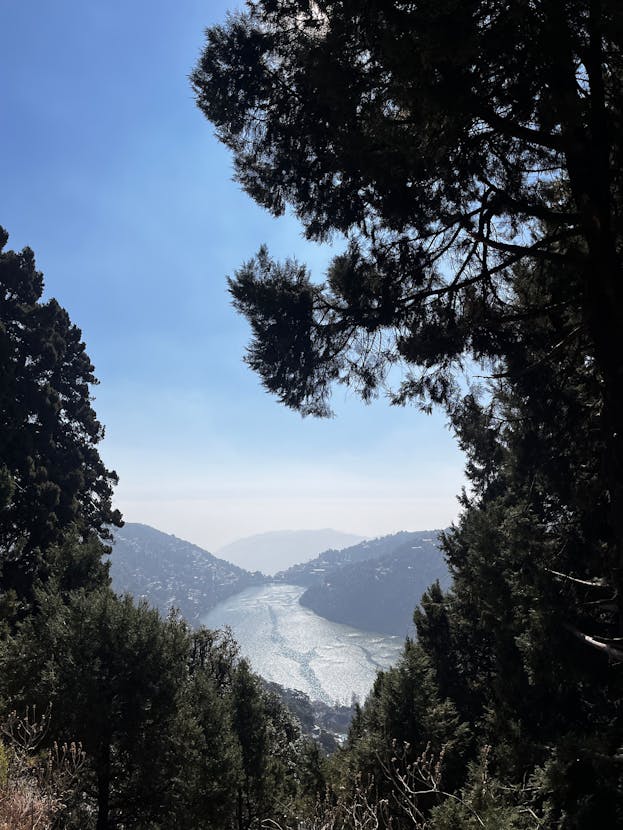
- Nature and silence: Himalayan landscapes help pilgrims slow down and listen inwardly.
- Ritual closure: Many families perform life cycle rites here, making the journey meaningful across generations.
Spiritual Benefits You May Experience
Different pilgrims describe different benefits. Some common experiences include:
- Deep calm and mental clarity after concentrated time in nature.
- Renewed faith through temple rituals and shared devotion.
- Heightened gratitude and perspective from facing physical hardships and natural beauty.
- Stronger bonds with family or fellow travelers who share the journey.
What Each Dham Offers
Understanding the unique character of each shrine helps you approach them with respect and intention.
Yamunotri
Known as the source of the Yamuna river, Yamunotri invites vows, healing rituals and simple offerings. Pilgrims often begin here for its promise of renewal.
Gangotri
Gangotri marks the earthly origin of the Ganga. Rituals here emphasize purification and surrender, often accompanied by contemplative river side time.

Kedarnath
Kedarnath, dedicated to Shiva, draws those seeking penance, forgiveness, and deep stillness amid high peaks. The temple presence is austere and powerful.
Badrinath
Badrinath, dedicated to Vishnu, provides a structured temple experience and a sense of settled dharma. Many pilgrims end here with a feeling of completion and resolve.
Best Time to Visit and Seasonal Considerations
- Primary season: May to October. Most temples open in late May and close before winter.
- Monsoon caution: July and August can bring heavy rains and landslides. If traveling during monsoon, use experienced operators.
- Peak clarity: Late May and September offer clear skies and stable roads for Char Dham Yatra 2026.
How to Reach: Entry Points and Transport
Common entry points include Haridwar and Rishikesh. From these hubs, pilgrims travel by road into the Garhwal hills. Options include:
- Private cars or rented vehicles for flexibility.
- Organised bus or taxi packages for simpler logistics.
- Helicopter services for the Kedarnath leg if time or mobility is limited.
For train travel options, refer to IRCTC and for official tourism guidance consult Uttarakhand tourism pages. You may also find curated packages on tour pages such as tours and packages.
Sample 10 Day Itinerary for First Time Pilgrims
- Day 1: Arrive Haridwar, attend Ganga Aarti at Har Ki Pauri.
- Day 2: Drive to Barkot or Uttarkashi for approach to Yamunotri/Gangotri.
- Day 3: Yamunotri visit and return to base.
- Day 4: Gangotri darshan, overnight in Uttarkashi.
- Day 5: Transfer toward Guptkashi for Kedarnath approach.
- Day 6: Kedarnath trek or helicopter service, darshan and stay.
- Day 7: Return from Kedarnath, move to Joshimath region.
- Day 8: Badrinath darshan and Mana village visit.
- Day 9: Return travel toward Haridwar, rest stop.
- Day 10: Final reflections and departure.

Packing Checklist and Health Tips
- Layered clothing, warm sleeping gear and rain protection.
- Sturdy trekking shoes and comfortable clothing for temple visits.
- Basic first aid kit, altitude medicines, and necessary prescriptions.
- Valid ID, local currency, and a portable charger for devices.
Prior health checks and a conservative pace are essential. Altitude can affect even fit travellers, so monitor symptoms and rest when needed.
Budget and Cost Estimates
Costs vary widely depending on travel style. Typical estimates for Char Dham Yatra 2026:
- Economy travel: INR 12,000 to 25,000 per person.
- Comfort travel: INR 25,000 to 45,000 per person.
- Helicopter assisted or private luxury packages: INR 60,000 and above per person.
Consider group packages for shared costs and simpler logistics. Explore local stays and options at hotels pages.
Frequently Asked Questions
Q: Is Char Dham Yatra safe for families and elders?
A: Yes, with planning. Choose slower itineraries, avoid high altitude legs for very elderly travellers, and use helicopter services if needed.
Q: How long does the complete circuit take?
A: A well paced circuit usually takes 8 to 12 days. A slower reflective trip can take up to 15 days.
Q: Do I need permits or registrations?
A: Certain legs and services require registration. Check official portals and shrine notices before travel and register for permitted transport or helicopter services when needed.
Q: Can a first time pilgrim manage the trek sections?
A: Many first timers complete the trek with adequate fitness and pacing. Alternatives like pony rides and helicopter transfers are available for difficult segments.
Conclusion: A Pilgrimage That Stays With You
Visiting Char Dham at least once is a commitment to inner work and outward devotion. The combination of ritual, landscape, and shared human experience makes the Char Dham Yatra 2026 an opportunity to return home with new clarity and gratitude. Travel with respect, plan well, and let the mountains and rivers teach you their quiet lessons.
For official updates, transport and booking information, consult Uttarakhand tourism and trusted operators. Useful resources include Uttarakhand Tourism and IRCTC. For curated packages and local guidance, visit tours and packages.