Detailed Route Map for Char Dham Yatra
Char Dham Yatra is the spiritual route that connects the four sacred shrines of Yamunotri, Gangotri, Kedarnath and Badrinath. This guide gives Indian pilgrims a complete and practical route map for Char Dham Yatra 2026 with day by day routing, travel tips, transport options, image references, internal resources and an FAQ section to answer common concerns.
Quick overview of the Char Dham circuit
The typical Char Dham circuit starts from Haridwar or Rishikesh and follows a loop across Garhwal Himalaya. The usual order is:
- Haridwar / Rishikesh to Yamunotri
- Yamunotri to Gangotri
- Gangotri to Kedarnath
- Kedarnath to Badrinath and return via Joshimath to Haridwar

Why plan a route map for 2026
Planning the full route map helps pilgrims manage permit windows, seasonal weather, and booking of local transport and accommodations. For 2026, roads and services continue to improve and a clear route map reduces stress, keeping focus on devotion.
Recommended starting points
- Haridwar: Major rail and road hub with tradition of Ganga aarti.
- Rishikesh: Good for those combining spiritual practice and rafting options before the yatra.
- Dehradun or Delhi: For international or long distance travelers connecting by flight.
Detailed day by day route map (sample 12 day plan)
This is a practical long form itinerary that balances travel time, rest and darshan windows. Adjust according to personal pace and weather.
-
Day 1: Haridwar to Barkot or Uttarkashi
Drive from Haridwar to Barkot (for Yamunotri) or Uttarkashi (alternate). Overnight at Barkot or Uttarkashi. Visit local temples and prepare gear.
-
Day 2: Barkot to Jankichatti and trek to Yamunotri
Drive to Jankichatti. From Jankichatti either take the mule or trek to Yamunotri. Perform puja at Yamunotri. Return to Jankichatti for overnight.

-
Day 3: Jankichatti to Uttarkashi and transfer to Gangotri base
Drive to Uttarkashi and onward to Gangotri base. Overnight at Gangotri area to ensure early darshan.
-
Day 4: Gangotri darshan and rest day
Early morning visit to Gangotri temple. Take time for local sightseeing and rest. Consider a short visit to Bhagirathi source points for photo and prayer.

-
Day 5: Drive to Uttarkashi then to Guptkashi or Sonprayag for Kedarnath
Long drive toward Kedarnath base. Overnight at Guptkashi or Sonprayag to catch early morning start to Kedarnath.
-
Day 6: Sonprayag to Gaurikund and trek to Kedarnath
Drive to Gaurikund and start trek to Kedarnath. Alternatively use pony or helicopter from Phata or Sersi as per availability and budget. Overnight in Kedarnath area after darshan.

-
Day 7: Kedarnath rest and local prayer
Spend time at the temple, witness the alpine landscape and return to Gaurikund or stay overnight depending on plan.
-
Day 8: Travel from Kedarnath area to Joshimath
Return to Sonprayag, drive via Rudraprayag and Karnaprayag toward Joshimath. Joshimath is the gateway for Badrinath and is a good place to rest.

-
Day 9: Joshimath to Badrinath
Drive the scenic route from Joshimath to Badrinath early in the morning. Darshan and evening aarti at Badrinath. Overnight at Badrinath.
-
Day 10: Badrinath local visit and Mana Village
Visit Mana village, Vyas Gufa and local hot springs. Return to Badrinath for rest.
-
Day 11: Start return to Haridwar via Rudraprayag
Begin drive back via scenic valleys. Stop at pilgrimage points, continue toward Rishikesh or Haridwar for overnight.
-
Day 12: Haridwar final aarti and conclude yatra
Attend Ganga aarti at Haridwar and conclude the yatra with blessings and rest.
Transport options and tips
- By road: Reliable taxis and private coaches connect Haridwar to Barkot, Uttarkashi, Guptkashi and Joshimath.
- By train: Haridwar is the nearest major railway hub. Book early via official portals. See local resources for train booking.
- By air: Dehradun Jolly Grant Airport is the nearest airport for many travelers.
- Helicopter: Helicopter services to Kedarnath and Badrinath operate seasonally and sell out fast. Check official bookings and IRCTC options.
For bookings consider official tourism pages and trusted operators. See a recommended internal resource for curated packages Chardham tour packages.
Packing checklist
- Warm layered clothing and waterproof jacket
- Comfortable trekking shoes
- Basic first aid and altitude sickness tablets
- Portable power bank and torch
- Copies of identity documents and permit prints
Best time window and weather considerations
The ideal months for Char Dham Yatra are May to October, excluding heavy monsoon spells. For 2026 planning, check road openings and temple calendars on official Uttarakhand portals.
Safety and health
Carry medications for motion sickness and altitude effects. Inform family of your route, and use local guides when trekking long stretches. For more accommodations and bookings see hotel options.
Insert of practical map landmarks
Key towns and checkpoints to include on any personal map:
- Haridwar / Rishikesh
- Barkot, Jankichatti
- Uttarkashi, Gangotri
- Phata / Sonprayag, Gaurikund, Kedarnath
- Guptkashi, Rudraprayag, Karnaprayag
- Joshimath, Badrinath, Mana
Image guide and visual references
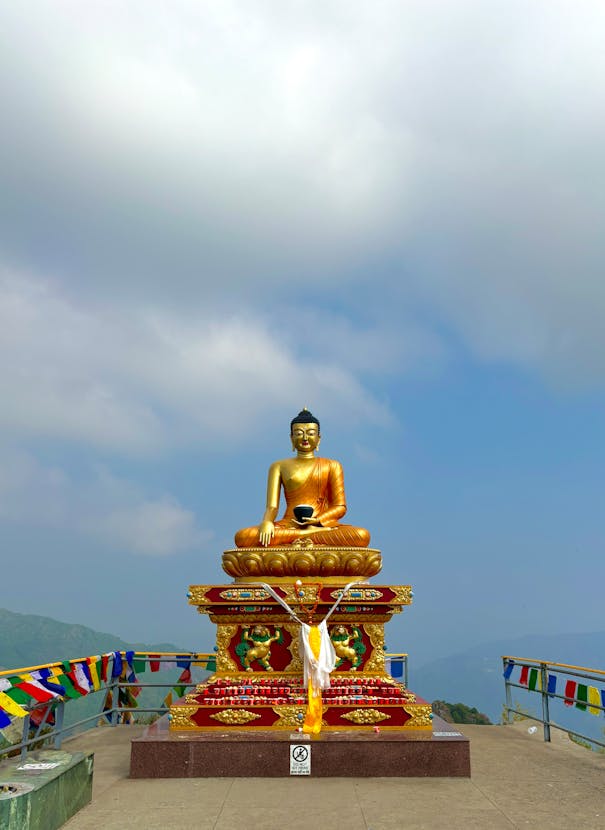
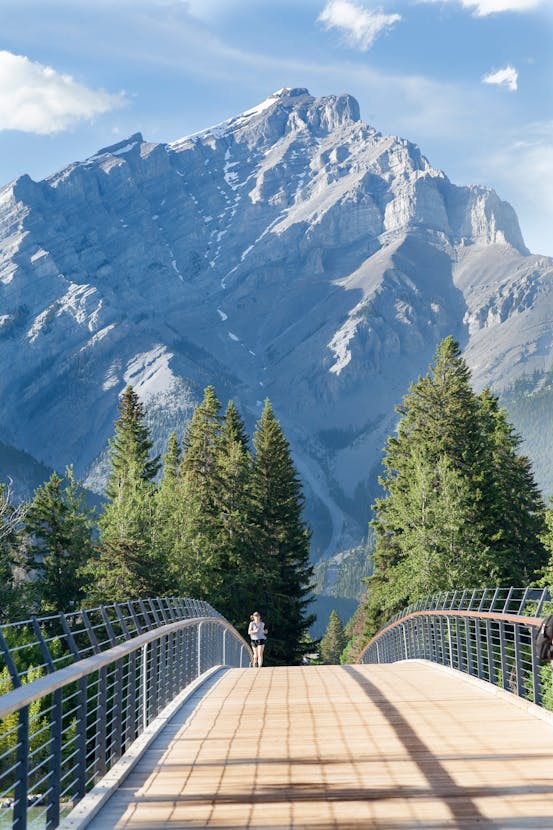
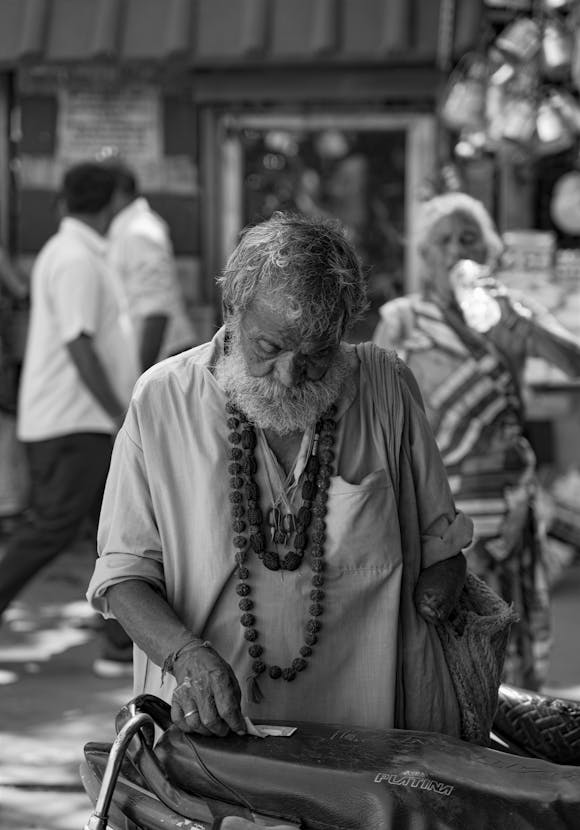
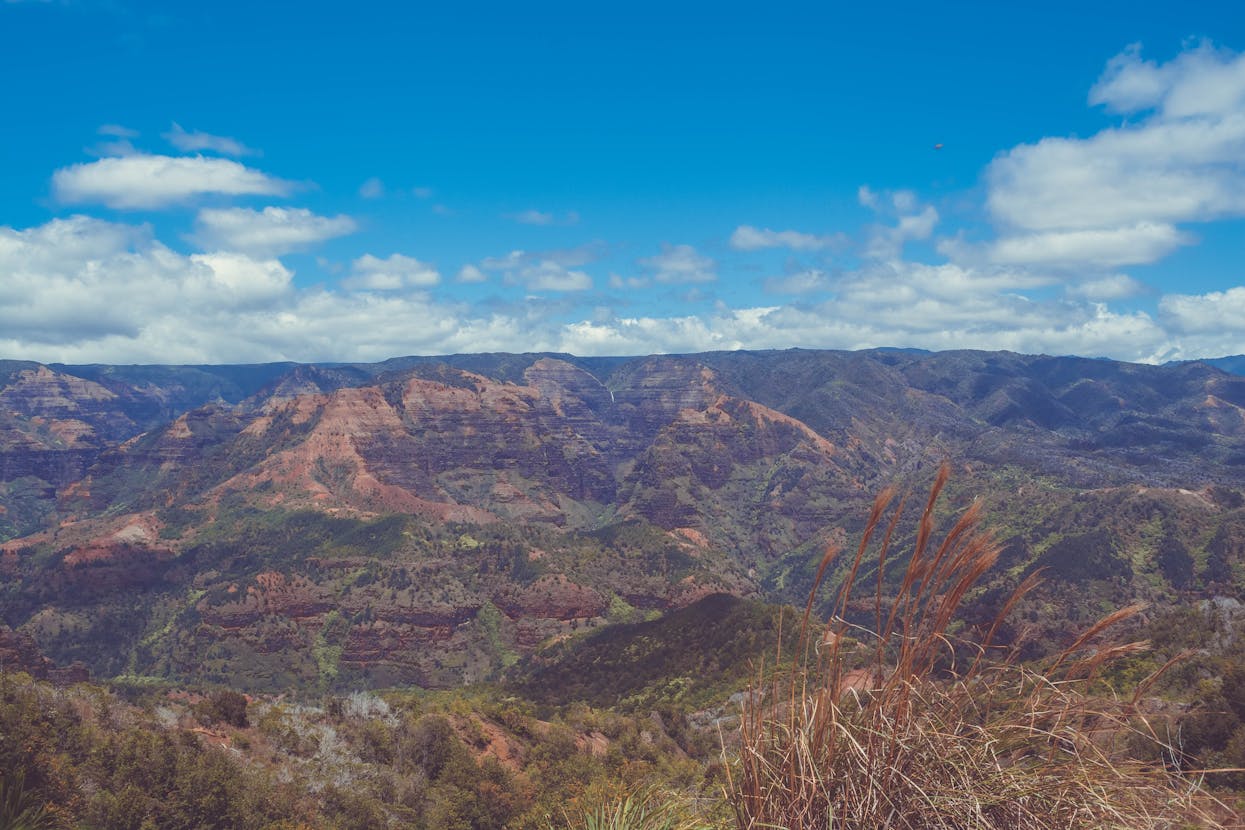
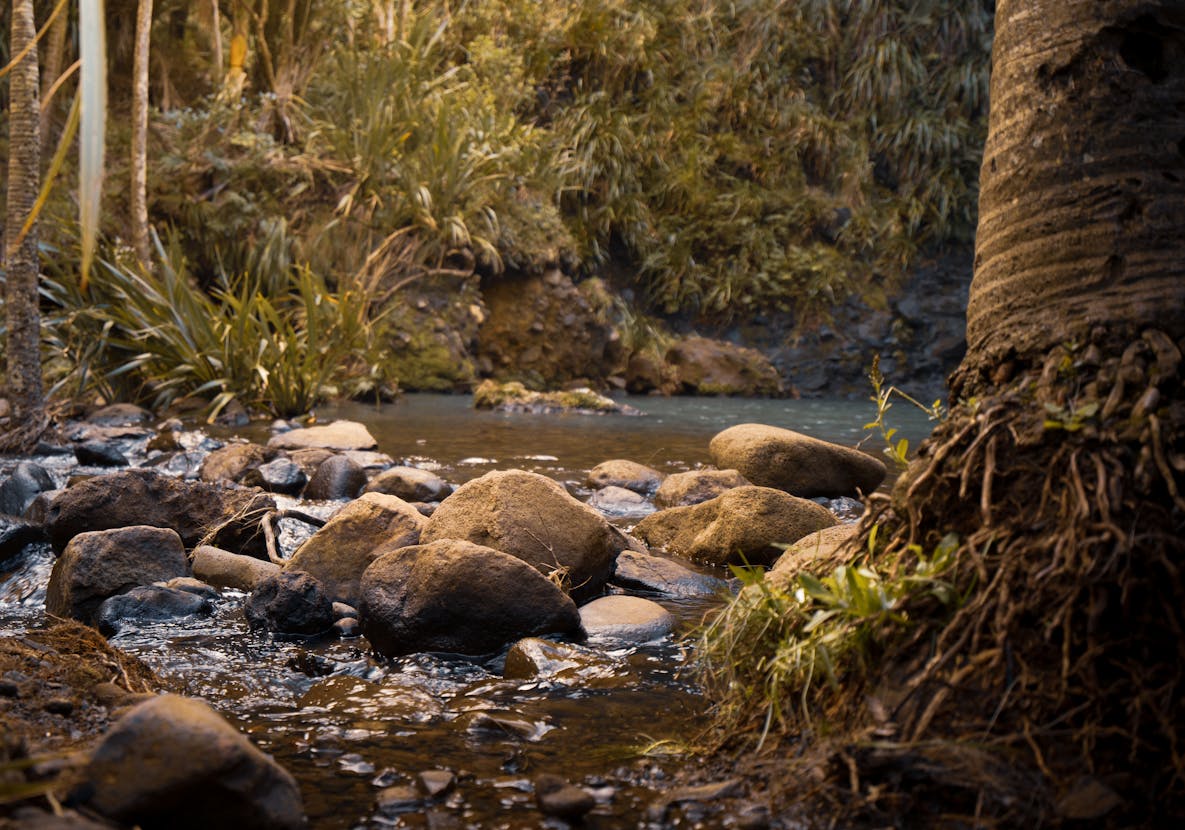
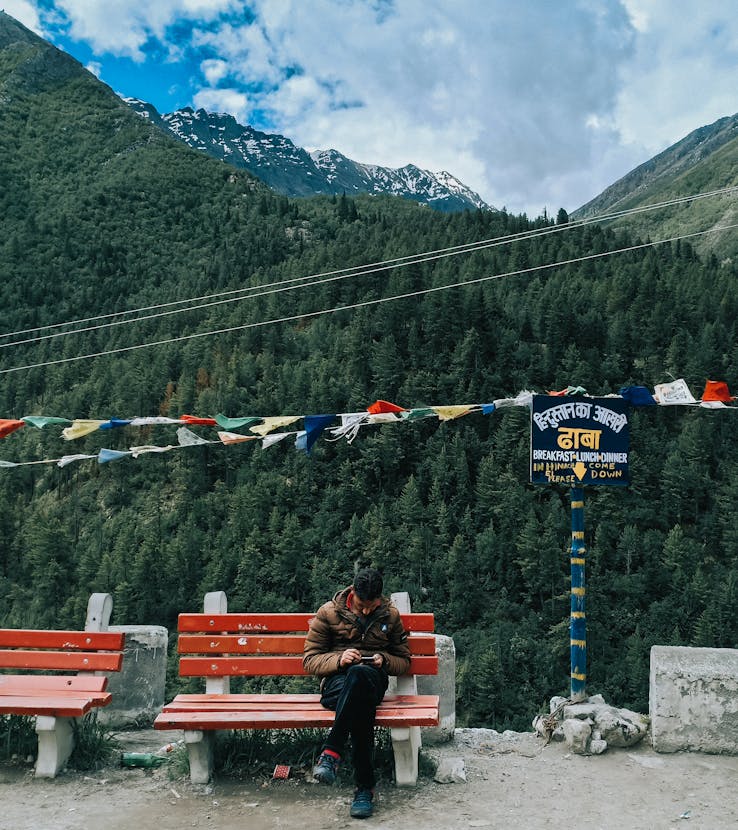
Below are selective images to help pilgrims visualise stages of the journey.

Useful links and official resources
- Uttarakhand Tourism
- Badrinath Kedarnath official
- IRCTC for train and helicopter bookings
- For curated itineraries see tour packages
Frequently Asked Questions (FAQs)
Q1: What is the typical duration for Char Dham Yatra?
A1: A comfortable circuit usually takes 10 to 14 days depending on mode of travel and rest days.
Q2: Can Char Dham be completed in a reverse order?
A2: Yes. Many pilgrims choose a reverse circuit based on road closures, weather and transport availability. The spiritual merit remains the same.
Q3: Are there helicopter options for Kedarnath in 2026?
A3: Helicopter services operate seasonally. Book early via official portals and check for scheduled timings and landing points.
Q4: Is it safe to travel during monsoon?
A4: Monsoon brings landslide risk and route disruptions. It is safer to avoid heavy monsoon months and target May to early October windows.
Q5: What permits are needed?
A5: Local permits and registration for certain segments may be required. Carry ID and check the official Uttarakhand portals before travel.
Conclusion
Detailed Route Map for Char Dham Yatra is both a spiritual plan and a logistical blueprint. By following a clear itinerary, booking early, and respecting local conditions, pilgrims can focus on devotion and reflection. Use this guide to draft your personal map for 2026, consult official resources for bookings, and travel with a calm mind and prepared heart.
May the journey bring peace, clarity and blessings. For more ideas on things to do and places to visit along the way see our curated pages on places to visit and things to do.