Chaukori's Berinag Tea Estate: Sip & Soak in Himalayan Views!
Namaste, tea aficionados and nature photographers! While exploring the serene beauty of Chaukori or Berinag in the Pithoragarh district, one of the most delightful experiences awaits you at the **Berinag Tea Estate**. Unlike the vast tea estates of Darjeeling or Assam, these are smaller, more intimate plantations that add a unique emerald green charm to the Himalayan landscape. Imagine strolling through neatly manicured rows of tea bushes, the air filled with the fresh scent of tea leaves, all while being surrounded by the majestic backdrop of towering Himalayan peaks. It's a sensory delight and a perfect spot for peaceful contemplation and stunning photography. **Yahan ki chai ki khushboo aur nazare aapko deewana bana denge!**
In 2025, if you're looking for a refreshing break, a beautiful photo opportunity, and a chance to experience a different side of Himalayan agriculture, visiting the Berinag Tea Estate is a must. It's an invitation to unwind amidst lush greenery and grand views. Ready for a rejuvenating cup of mountain magic?
Berinag Tea Estate: Green Carpets & White Peaks!
- Lush Tea Gardens: The estate features beautiful, well-maintained tea plantations that spread across gentle slopes, creating a visually appealing landscape.
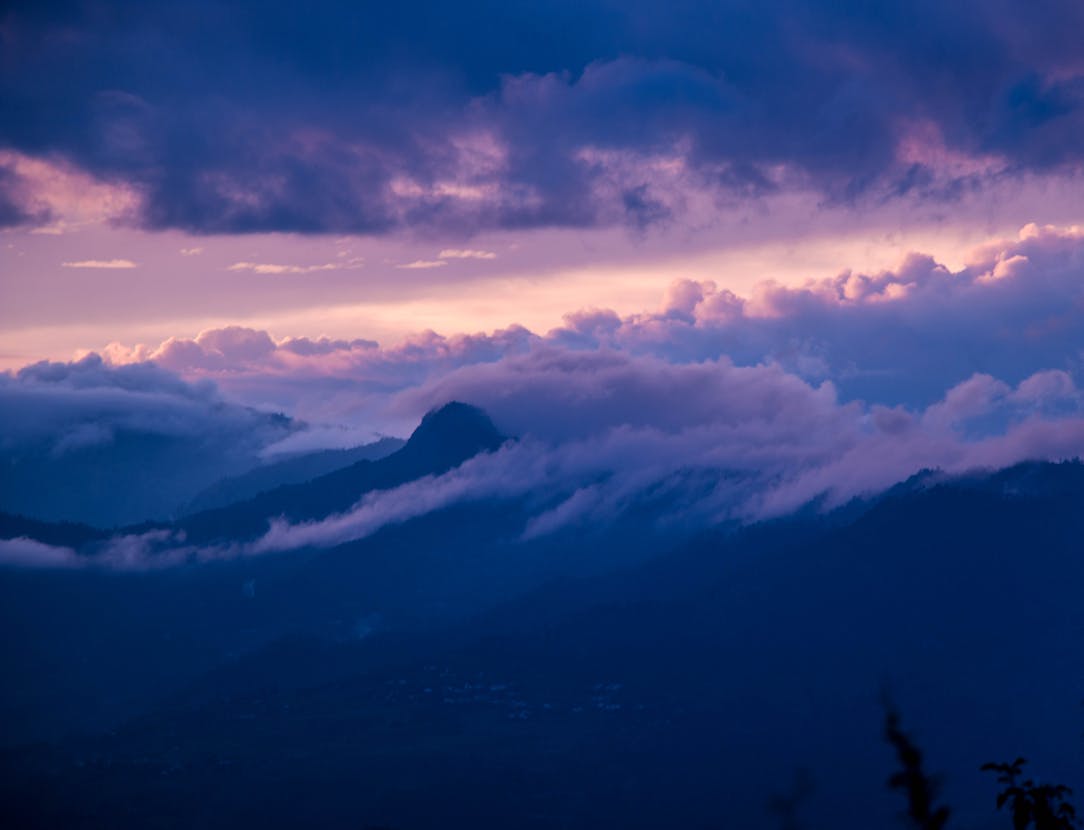
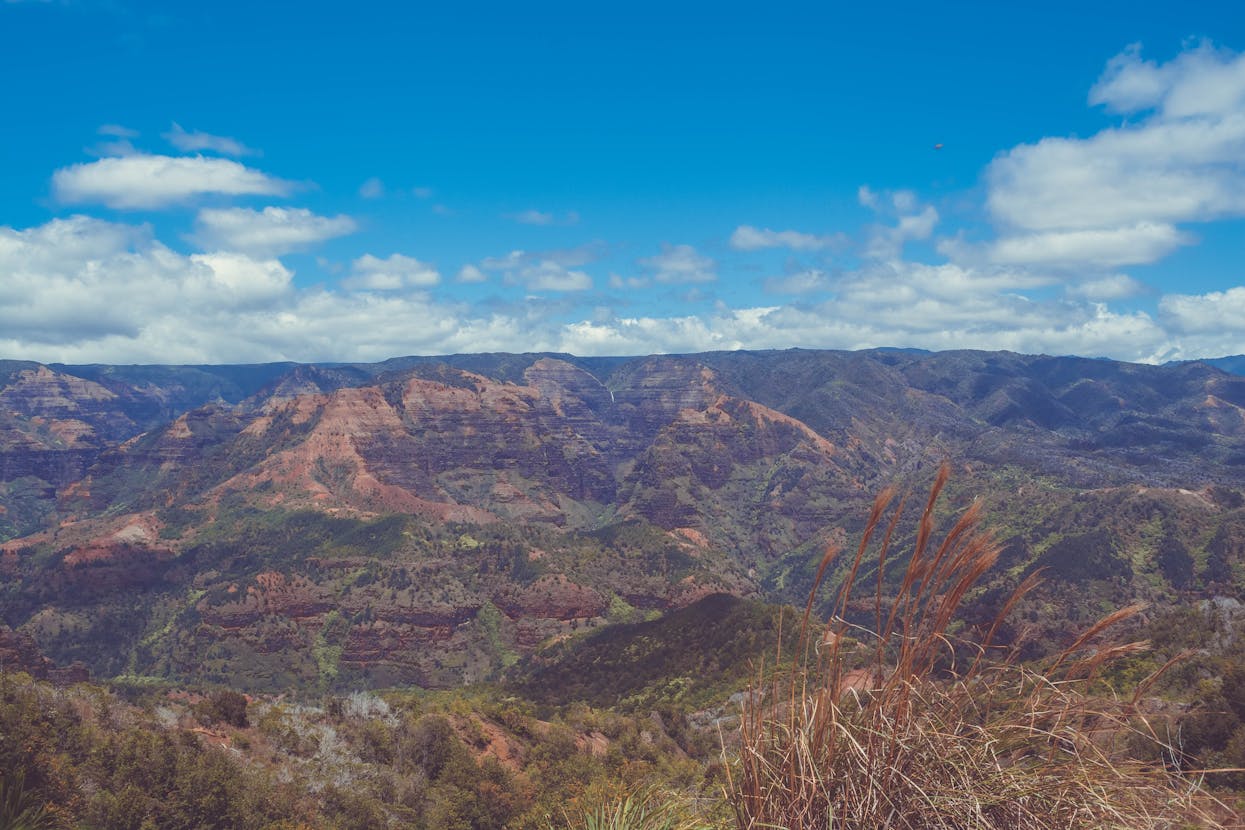
- Himalayan Views: From various points within and around the estate, you can enjoy picturesque views of the distant snow-capped Himalayan range.
- Peaceful Ambiance: The tea gardens offer a tranquil and refreshing environment, perfect for leisurely walks and unwinding.
- Photography Hotspot: The combination of green tea bushes and mountain backdrops makes it an ideal location for stunning nature photography and Instagram-worthy shots.
- Learn About Tea: While not a full-fledged factory tour, you can often observe the tea plucking process (seasonal) and understand a bit about local tea cultivation.
- Local Charm: The estate adds to the local charm of Berinag and Chaukori, offering a unique agricultural insight into the region.
- Fresh Air: Breathe in the pure, unpolluted mountain air, infused with the fresh scent of tea leaves.
Important Tips for Visiting Berinag Tea Estate (2025)
- Location: The Berinag Tea Estate is situated near Berinag town, which is very close to Chaukori in the Pithoragarh district. It's easily accessible by road.
- Best Time to Visit: Spring (March-April) and Autumn (September-November) are ideal. Spring offers fresh greenery and pleasant weather, while autumn provides clearer Himalayan views.
- Respect the Plantation: Walk along designated paths. Do not pluck tea leaves or disturb the plants without permission. This is a working estate.
- Photography Etiquette: While photography is encouraged, be respectful of any workers and ask for permission if you are taking close-up shots of people.
- Comfortable Footwear: Wear comfortable walking shoes as you might be strolling on uneven terrain.
- Carry Water: It's always advisable to carry your own water bottle.
- Combine with Other Spots: Easily combine your visit with other attractions in Berinag and Chaukori, such as the temples or viewpoints.
- Local Tea: If available, try to buy some locally processed tea as a souvenir.
The Berinag Tea Estate offers a delightful and refreshing experience, blending the beauty of cultivated landscapes with the grandeur of the wild Himalayas. It's a perfect spot to relax, recharge, and capture some beautiful memories. Go, and let the aroma of the mountains enchant you!
FAQs about Berinag Tea Estate
Q1: What is the main appeal of Berinag Tea Estate?
A1: The main appeal is strolling through **lush green tea gardens** and enjoying **stunning views of the Himalayan peaks** in a peaceful setting.
Q2: Can I learn about tea cultivation here?
A2: While it's not a full-fledged factory, you can **observe the tea plucking process seasonally** and get an insight into local tea cultivation practices.
Q3: Is the Berinag Tea Estate crowded?
A3: No, the Berinag Tea Estate is generally **not crowded**, offering a more serene and peaceful experience compared to larger, more commercialized tea regions.