Best Time to Visit Char Dham: Month-by-Month Guide
The Char Dham Yatra — Yamunotri, Gangotri, Kedarnath and Badrinath — is a sacred journey that many Indian pilgrims plan years in advance. Choosing the right month to visit directly affects your comfort, safety, and the spiritual experience. This comprehensive, month-by-month guide for Char Dham 2026 explains weather patterns, accessibility, festivals, and tips so you can pick the best window for your pilgrimage.

How to use this guide
Read the month sections to understand climate, road conditions, temple openings, crowd levels, and recommended clothing. Use the sample travel tips and internal resources to book transport and accommodation: see packages and local stays.
January — Winter deep sleep
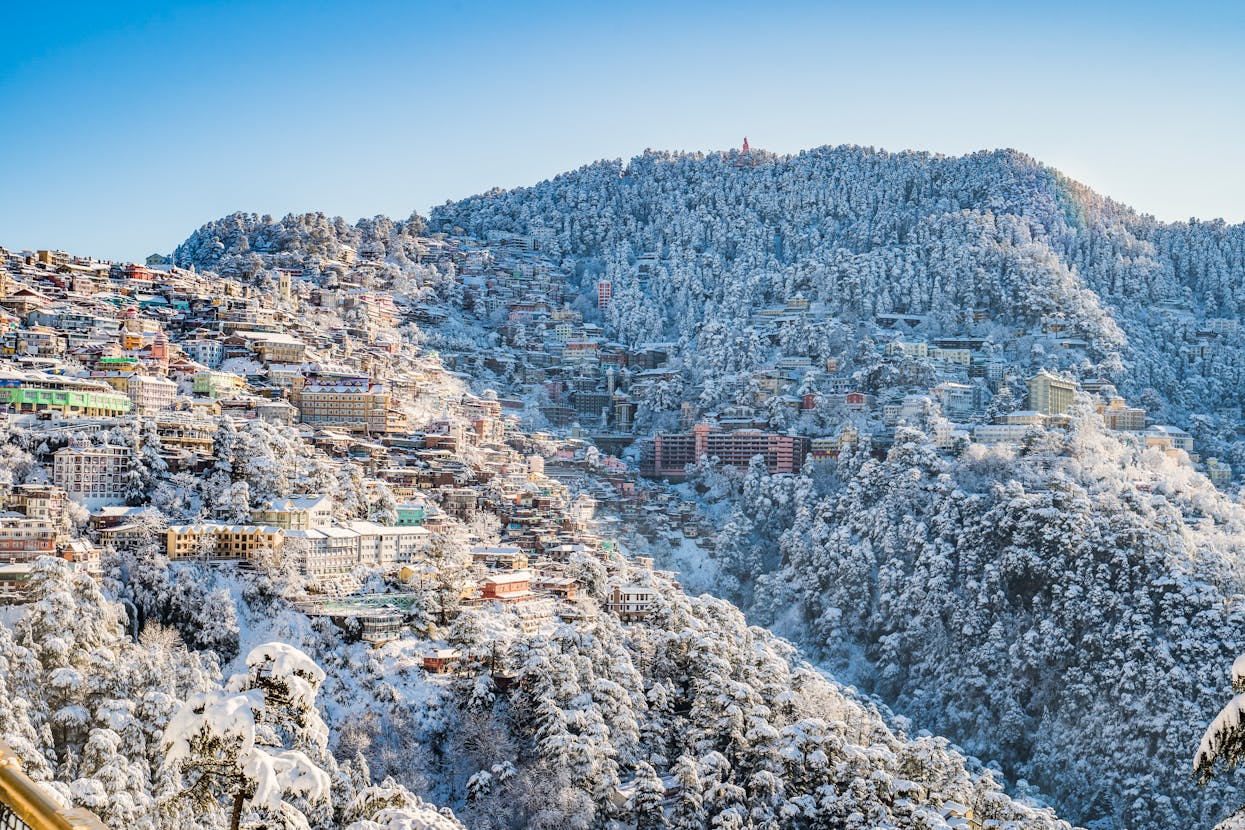
January is peak winter in the higher Himalaya. Most Char Dham routes are closed by heavy snow. Roads to Kedarnath and Badrinath remain blocked and the temples are closed for darshan in their high-altitude forms.
- Accessibility: Closed or highly restricted.
- Weather: Severe cold, snow, sub-zero at heights.
- Who should go: Not recommended unless you are part of specialised winter expeditions.
February — Still winter
February continues winter conditions. Clearance operations begin later, but pilgrims generally cannot access the shrines yet. If you prefer quiet temples, consider low-altitude spiritual stays in Haridwar or Rishikesh instead.
March — Thaw begins
Lower valleys start to warm. Temple authorities prepare for reopening, while higher passes remain snowy. March is useful for pre-travel planning, bookings and physical preparation.
April — Early pre-season
April is the time when roads below 2,000–2,500 m become passable. Pilgrims can reach gateway towns and perform preparatory rituals in Haridwar and Rishikesh.
- Accessibility: Good for Haridwar, Rishikesh, parts of Yamunotri approaches.
- Weather: Daytime warming, nights still cool.
- Recommended: Book transport and hotels; finish paperwork and check permits.

May — Popular opening window
May is one of the most popular months to begin Char Dham. Temples start reopening; weather is generally stable before the monsoon arrives.
- Accessibility: Most routes open; helicopter services to Kedarnath usually resume.
- Weather: Pleasant days, cool nights, ideal for trekking.
- Crowds: Increasing during late May as pilgrims start their journeys.
For many pilgrims, May strikes the right balance between accessibility and calm. If you plan in May, secure travel and accommodation early through official booking portals like IRCTC or trusted operators.
June — Peak season and festivals
June is high season for Char Dham. Many devotees prefer to do the full circuit in May–June before monsoon. Important festivals or auspicious days in the Hindu calendar may fall in June; check temple schedules for special aartis or events.
July — Monsoon arrives
July marks the monsoon onset in Uttarakhand. Heavy rains increase landslide and road-block risk, especially on narrow mountain stretches. While Gangotri and Yamunotri lower approaches may still be passable, high-altitude travel becomes unpredictable.
- Accessibility: Often disrupted by heavy rain.
- Safety: Elevated risk of landslides and river swells.
- Tip: Avoid long road stretches in the monsoon unless you have flexible plans and local guidance.

August — Monsoon continuation
August remains risky for a full Char Dham Yatra. Local roads might be intermittently open, but delays are common. If you must travel, keep contingency days and choose lower-altitude options.
September — Post-monsoon clarity begins
September marks the clearing skies after monsoon. Many pilgrims find September an excellent window: landscapes are lush, rivers are full, and visibility improves.
- Accessibility: Roads reopen and stabilise; landslide-prone stretches become safer.
- Crowds: Moderate — less than May–June peak.
- Best for: Photographers and pilgrims seeking serenity with good weather.
October — Another ideal month
October is widely regarded as one of the best months to visit Char Dham. Clear skies, crisp air and stable roads make temple visits comfortable. Shrines operate full schedules, and you can expect beautiful autumnal vistas.
November — Closing season begins
By November, temples start to close for winter. Badrinath and Kedarnath have specific closing dates depending on snowfall patterns. Expect shorter daylight and colder nights. If you travel in early November, check temple closing notices and road conditions carefully.
December — Off-season
December is typically off-season. Many high-altitude routes are closed and temperatures drop sharply. Haridwar and Rishikesh remain accessible and offer spiritual alternatives like extended stays and Ganga aarti experiences.
Quick Decision Checklist
- If you want fewer crowds: Aim for September or October.
- If you want the most predictable access: Plan for May–June.
- If you must avoid monsoon risk: Avoid July–August.
- If you travel with elders: Prefer May, September or October and avoid long treks; consider helicopter transfers where available.
Packing and health tips by month
Layered clothing, sun protection and basic medicines are required year-round. In May–June and September–October, include a light rainproof jacket. For post-monsoon months, add warmer layers for evenings. Always carry ID and printouts of bookings.
Booking and permits
Book early for May–June. Use authorised portals and check local permit requirements. For up-to-date temple notifications and official guidelines, visit resources like Uttarakhand Tourism and Badrinath-Kedarnath official site. For package bookings and curated itineraries, explore trusted operators listed on Ishta Dev Tourism.
Sample month-based itineraries
Depending on your chosen month, adjust pace, rest days and contingency. A May itinerary can be compact and energetic; a September itinerary can include more local sightseeing and slower travel.
FAQs
Is May always the best month for Char Dham?
May is excellent for accessibility and pleasant weather, but crowd levels rise. If you prefer fewer pilgrims and clear post-monsoon skies, September–October is ideal.
Can I do Char Dham in monsoon months (July–August)?
Monsoon travel is not recommended due to landslides and roadblocks. If travel is unavoidable, keep flexible plans and local contact numbers.
When do temples close for winter?
Closing dates vary year to year. Typically, temples begin closing around late October to November. Confirm dates with official sources for 2026.
Are helicopter services affected by month?
Yes. Helicopter operations are weather-dependent; May–June and September–October generally offer the most reliable windows for air transfer to Kedarnath.
Conclusion
Choosing the best time to visit Char Dham depends on what you value most: ease of access (May–June), serenity and clear skies (September–October), or travel planning time (April). Avoid the monsoon months for safety, and always check official updates and temple calendars before booking. With the right month selected, your Char Dham 2026 pilgrimage can be safe, spiritually fulfilling and deeply memorable.
For practical booking help, itineraries and local support, explore curated packages and services at Ishta Dev Tourism and check official notices at Uttarakhand Tourism.