Askot Wildlife Sanctuary: Encounter Rare Wildlife & Untouched Forests!
Namaste, wildlife enthusiasts and nature photographers! Tucked away in the enchanting Pithoragarh district, close to the Indo-Nepal border, lies the pristine Askot Wildlife Sanctuary. This remarkable protected area isn't just a sanctuary; it's a vital habitat primarily established to conserve the highly endangered **Musk Deer** (Kasturi Mrig). But it's much more than that – a sprawling canvas of dense forests, high-altitude meadows, and rugged terrains, home to a diverse array of Himalayan flora and fauna, including the elusive Snow Leopard, Bharal, and many vibrant bird species. It's a place where the wild reigns supreme, offering an unparalleled experience for those who seek to connect with nature's raw beauty.
In 2025, if you're passionate about wildlife, eager to support conservation, and yearning for an immersive experience in truly untouched Himalayan wilderness, Askot Wildlife Sanctuary is your calling. It's an invitation to step into a realm where giants and rare creatures roam free. Ready for a thrilling encounter with the wild?
Askot Wildlife Sanctuary: A Haven for Himalayan Species!
- Musk Deer Conservation: The primary objective of the sanctuary is the conservation of the endangered Himalayan Musk Deer, making it a critical site for this elusive species.
- Rich Biodiversity: Besides musk deer, it's home to other significant species like the Snow Leopard, Bharal (Blue Sheep), Himalayan Bear, Goral, Serow, and numerous pheasants and raptors.
- Diverse Ecosystems: The sanctuary encompasses varied ecosystems, from sub-tropical forests at lower altitudes to alpine meadows (`bugyals`) at higher elevations, offering diverse habitats.
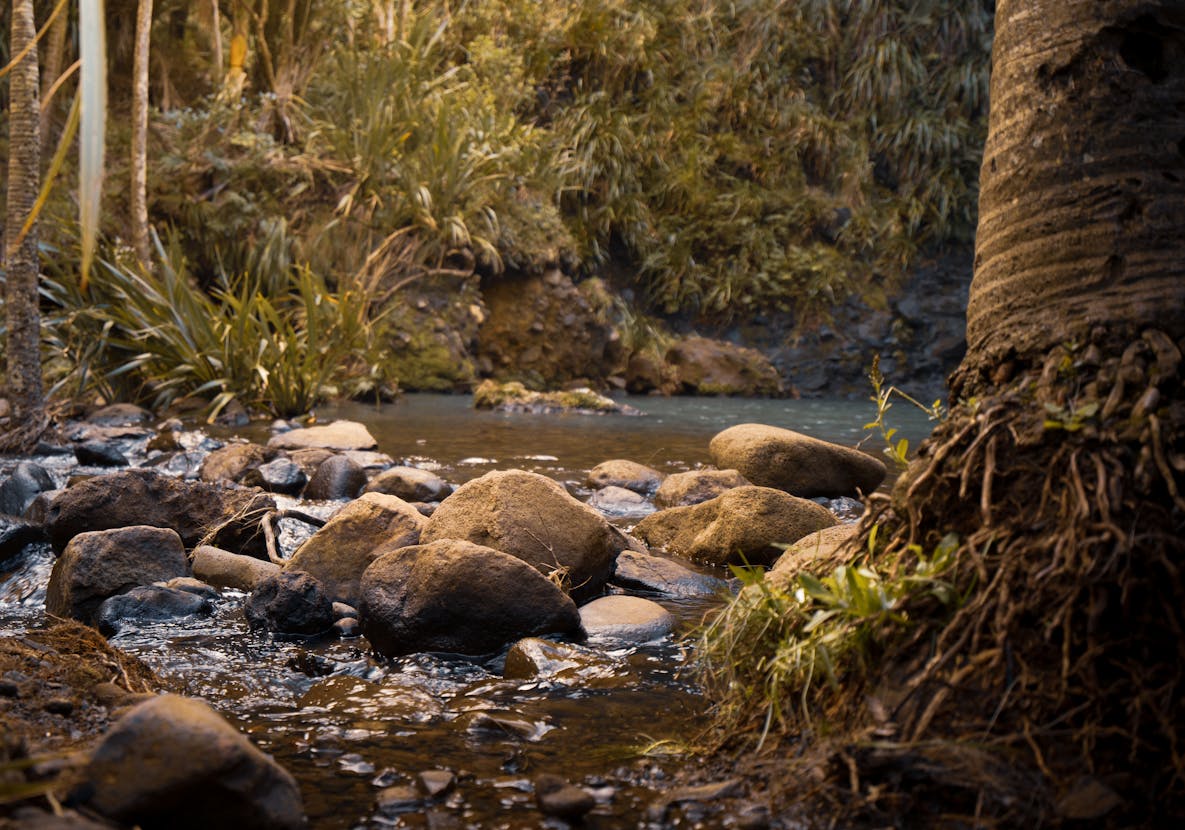
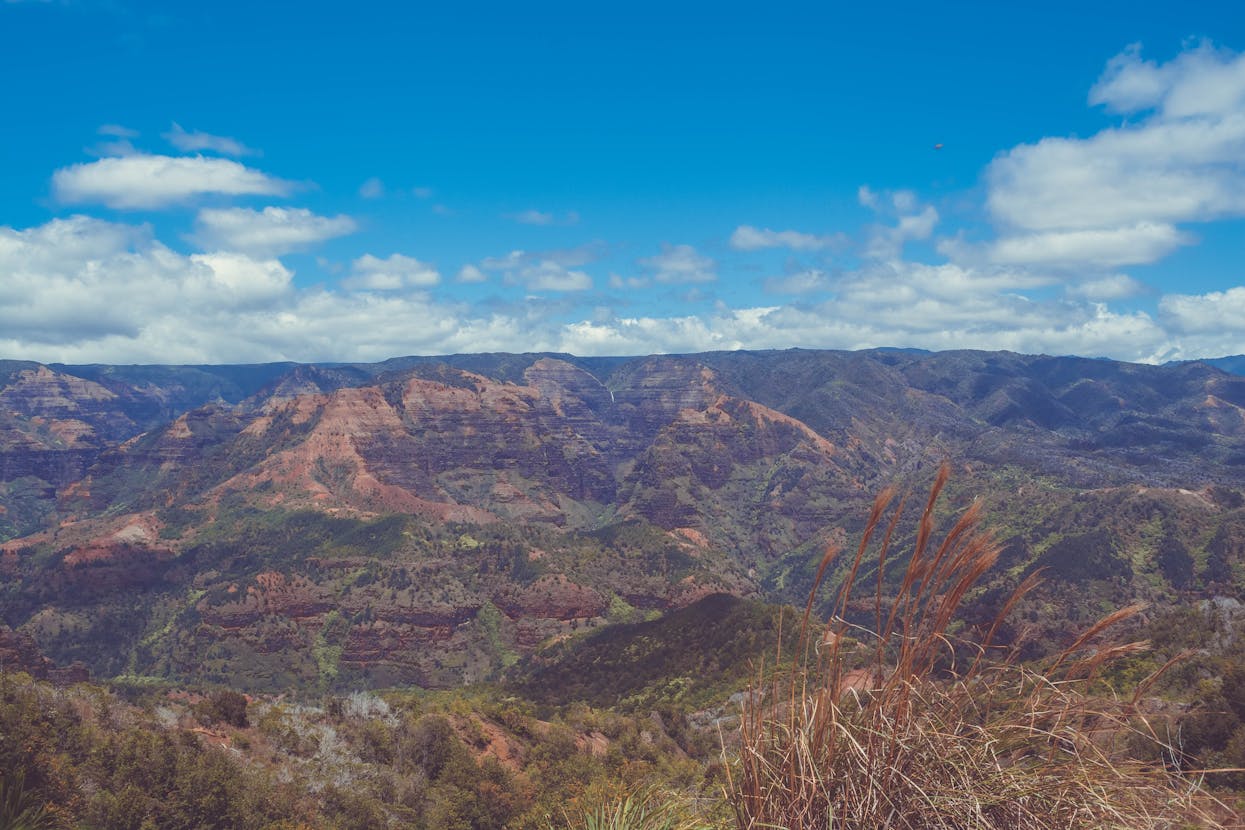
- Scenic Beauty: The landscape is stunning, with deep valleys, high peaks, dense forests, and clear streams, providing breathtaking views.
- Trekking Opportunities: Several trails within the sanctuary (with necessary permits and guides) allow for adventurous treks and exploration.
- Birdwatcher's Delight: With a wide variety of Himalayan birds, it's an excellent spot for birdwatching and ornithological studies.
- Research & Education: Plays a crucial role in wildlife research and environmental education.
Important Tips for Visiting Askot Wildlife Sanctuary (2025)
- How to Reach: Askot is about 54 km from Pithoragarh town. The sanctuary entrance points are accessible by motorable roads. The nearest railway station is Tanakpur (151 km), and the nearest airport is Pantnagar (245 km).
- Best Time to Visit: March to June and September to November are ideal. The weather is pleasant, and animal sightings are generally better. Winters (Dec-Feb) are very cold, and higher reaches may be inaccessible due to snow. Monsoon (July-August) brings heavy rain and can affect road conditions.
- Permits: As it's a protected area, obtaining an entry permit from the Forest Department is mandatory. Inquire at the Pithoragarh or Dharchula forest offices well in advance.
- Hire a Local Guide: For wildlife spotting and safe navigation, hiring an experienced **local forest guide is highly recommended. They know the terrain and animal behavior.
- Respect Wildlife: Maintain a safe and respectful distance from animals. Do not feed them, make loud noises, or disturb their habitat. Photography should be done without flash.
- Accommodation: Limited forest rest houses or basic guesthouses might be available near the sanctuary. It's advisable to stay in Pithoragarh or Dharchula and arrange day trips. Book well in advance.
- Essentials: Carry sturdy trekking shoes, warm clothing (layers), rain gear, binoculars, a camera with zoom lens, a first-aid kit, and sufficient water and snacks.
- Leave No Trace: Practice strict Leave No Trace principles. Carry back all your waste, avoid plastic, and leave the environment as pristine as you found it.
Askot Wildlife Sanctuary is a vital ecological treasure, offering a rare opportunity to connect with the untamed beauty of the Himalayas and its magnificent creatures. It's a journey for the mindful traveler, highlighting the importance of conservation. Go, and witness nature's true magic!
FAQs about Askot Wildlife Sanctuary
Q1: What is the main purpose of Askot Wildlife Sanctuary?
A1: The sanctuary was primarily established for the **conservation of the endangered Himalayan Musk Deer** (Kasturi Mrig).
Q2: What other animals can be spotted here?
A2: Besides musk deer, you might spot **Snow Leopards, Bharal (Blue Sheep), Himalayan Bears, Goral, Serow**, and various **Himalayan bird species**.
Q3: Do I need a permit to enter Askot Wildlife Sanctuary?
A3: Yes, an **entry permit from the Forest Department** is mandatory to visit the sanctuary. It's advisable to arrange it in advance.